AntiBacter is committed to investigating various bacterial infections with proven/unproven zoonotic potential like bovine mastitis, avian colibacillosis, and ESKAPE pathogens from hospitals and environment.
A) Research Focus 1. One Health Approach
The One Health approach emphasizes the importance of harmony between human, animal and environment health. Therefore, it is important to study the virulence, zoonosis and antimicrobial susceptibility patterns of pathogens isolated from human, animal and environmental sources. Currently, our lab is using the One Health approach to study bovine mastitis, avian colibacillosis, ESKAPE pathogens from hospitals and environment (freshwater samples) and soil microbial diversity.
1. Investigating bacterial zoonosis
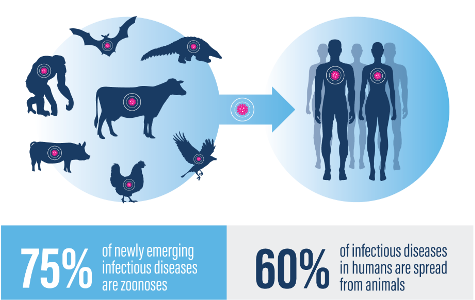
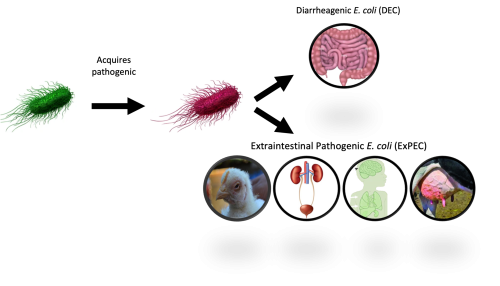
Zoonotic infections are infections that can be transmitted between animals and humans. They pose a serious threat to human health, with the recent COVID-19 pandemic serving as a perfect example. Therefore, our lab is currently working on examining the zoonotic potential and antimicrobial susceptibility patterns of bovine mastitis causing Staphylococcus aureus and avian colibacillosis causing Escherichia coli (APEC).
2. Investigating ESKAPE Pathogens
ESKAPE pathogens are a group of pathogens highlighted for their high virulence and multi-drug resistance. The high rates of antibiotic resistance have made treatment of infections caused by ESKAPE pathogen extremely challenging. Considering this, it is crucial to study ESKAPE pathogens found in environmental sources to combat the spread of such infections. Our lab is currently working to isolate and identify ESKAPE pathogens found in various freshwater sources across Punjab, Pakistan and subsequently studying their antimicrobial susceptibility patterns, virulence and zoonotic potential.
3. Investigating soil microbial flora
Biochar is a carbon-rich biomaterial produced by burning biomass in the absence of oxygen. Biochar supplementation in soil has shown improvement of soil health as well as the promotion of beneficial microbes and plant growth. Our lab is currently using metagenomic analysis to uncover the impact of biochar on soil microbiota, particularly its effect on microbial diversity and plant-growth promoting bacteria.
B) Research Focus 2. Antibacterial Approaches
Antimicrobial resistance (AMR) has increased significantly in the past few decades and continues to rise at alarming rates, triggering a global crisis that requires immediate attention. To combat this growing crisis, the antibacterial therapeutics projects in our lab focus on developing alternative methods for controlling bacterial infections, particularly those caused by MDR bacteria. These include CRISPR-Cas mediated genome excision, synthetic sRNA-based gene silencing and chemicals such as ionic liquids.
1. Phage Therapy
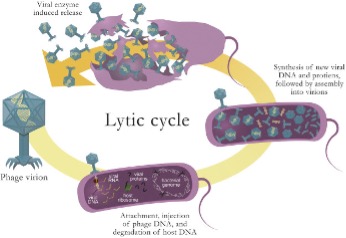
Phage therapy employs the use of bacteriophages, viruses that only target bacteria specifically, to combat bacterial infections. Phages are naturally occurring, exist in almost every environment, can self-replicate, have minimal to no side effects and target bacterial strains with high specificity, making them an ideal alternative to traditional antibiotics. Our lab isolates local bacteriophages from appropriate sources across Pakistan, identify and analyze their biological and genomic characteristics, and subsequently use them to develop phage therapies. In particular, we address the current gaps in phage therapy research, including bacterial resistance against phages, safety of use and production mechanics, that are preventing the broad-scale inclusion of phage therapy in clinical and agricultural settings. Moreover, we are aiming to establish a repository of phages, the first of its kind in Pakistan.
2. CRISPR-CAS assisted Antibacterials
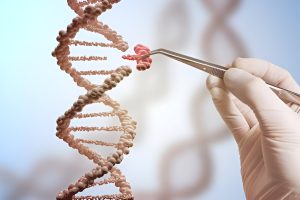
Our lab uses genome editing technology, like CRISPR-CAS and sRNA, to excise or silence virulence causing genes. So far, we have used CRISPR-CAS3 to mediate whole genome excision of the Avian Pathogenic E. coli (APEC), synthetic sRNA silencing of curlin protein in APEC and the silencing of the antibiotic resistance mecA gene via synthetic non-coding RNAs.
3. Antimicrobial compounds (Ionic Liquids)
Ionic liquids, constituting organic cations and organic/inorganic anions, have shown potential for many pharmaceutical applications, including as antimicrobial agents. Our lab has assessed the antimicrobial potential of imidazolium and pyridinium based ionic liquids against hospital-acquired strains of Staphylococcus aureus, Escherichia coli, and Pseudomonas aeruginosa. Moreover, we have also assessed the potential application of these ionic liquids to treat Urinary Tract Infection (UTI) caused by E. coli (UPEC).